


Have you ever wondered why your beloved dog or cat seems to shed so much fur? It can often feel like no matter how much you brush or vacuum, you’re perpetually surrounded by tufts of hair. If this sounds familiar, you’re not alone. Understanding why dogs and cats shed can help you better manage it and ensure the health of your furry friend.

The Basics of Shedding
Shedding is a natural process for both dogs and cats. Just like humans lose hair, our pets shed their fur to remove old or damaged hair, making way for new growth. This routine helps maintain a healthy, functioning coat, essential for their well-being.
Why Do Pets Shed?
Shedding serves several critical functions. It allows pets to regulate their body temperature, protect their skin, and even keep parasites at bay. Imagine if we never shed our hair; it would be overwhelmingly difficult to manage!
Seasonal Shedding
Many pets shed seasonally, which is especially common in dogs and cats with thicker, double-layered coats. During spring and fall, you might notice an uptick in shedding as your pet prepares for either warmer or cooler weather.
The Science of Fur
To truly grasp why shedding happens, it’s helpful to understand the science behind fur.
Hair Growth Cycle
Both dogs and cats experience a hair growth cycle that consists of four stages: anagen, catagen, telogen, and exogen.
| Stage | Description |
|---|---|
| Anagen | Active growth phase, where hair follicle cells rapidly divide. |
| Catagen | Transitional phase, where hair stops growing but remains attached. |
| Telogen | Resting phase, where the hair follicle is dormant. |
| Exogen | Shedding phase, where the hair is released and falls out. |
Coat Types
Various dogs and cats have different coat types, which can influence how much they shed. From the sleek, short fur of a Dachshund to the curly, hypoallergenic Poodle fur, coat type plays a significant role in shedding patterns.
Factors Influencing Shedding
Several factors can influence how much your pet sheds. Understanding these can help you manage and even reduce shedding.
Breed
Certain breeds are notorious for shedding. Breeds like the Siberian Husky, Labrador Retriever, or the Maine Coon cat have coats that are fuller and tend to shed more than breeds like the Greyhound or the Sphynx cat.
Health
A pet’s health can significantly impact their shedding. Conditions like allergies, skin irritations, and poor diet can cause excessive hair loss. Always monitor changes in your pet’s fur and consult a veterinarian if you notice anything unusual.
Stress
Just like humans, pets can experience stress, which can lead to increased shedding. Changes in environment, new family members, or even a trip to the vet can elevate stress levels and result in more hair loss.
Grooming and Care
Regular grooming is essential in managing shedding. It not only keeps your pet looking good but also ensures their health by removing loose fur and distributing natural oils throughout their coat.
Brushing
The importance of brushing can’t be overstated. Depending on the breed and coat type, regular brushing can significantly reduce the amount of fur your pet sheds around the house.
Brushing Frequency
| Coat Type | Brushing Frequency |
|---|---|
| Short-haired cats | Weekly |
| Long-haired cats | Daily to every other day |
| Short-haired dogs | Weekly |
| Double-coated dogs | Several times a week |
| Curly or wavy-coated dogs | Weekly to bi-weekly |
Bathing
Bathing your pet can also help manage shedding by removing loose fur. However, it’s important to use pet-specific shampoos and not bathe them too frequently, as it can strip essential oils from their fur and skin.
Professional Grooming
Sometimes, you might need the expertise of a professional groomer. Breeds with complex fur, like the Poodle or Old English Sheepdog, often require professional grooming to keep their coats in top shape.

Fun (and Frustration) with Fur
Living with a furry pet can indeed be a joy, though it comes with the less glamorous task of cleaning up after them.
The Clean-Up Game
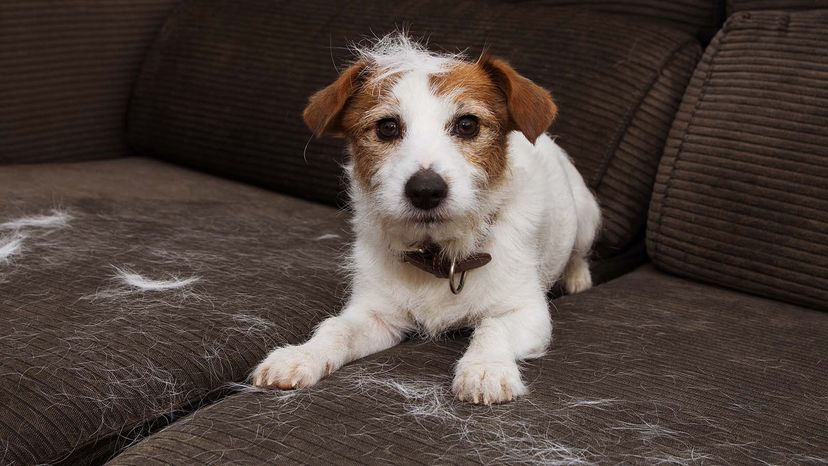
You might find yourself perpetually engaged in a battle with fur, whether it’s vacuuming the couch, sweeping the floors, or lint rolling your clothes. Yet, seeing the sparkle in your pet’s eyes can make it all worthwhile.
Health Indicators
Your pet’s fur condition is a reliable health indicator. A glossy, healthy coat usually signifies a well-balanced diet, sufficient hydration, and overall good health. Conversely, excessive shedding, bald spots, or dull fur can be signs of underlying health issues that warrant a trip to the vet.
Special Cases: Rabbits and Guinea Pigs
While dogs and cats are the usual suspects when it comes to shedding, rabbits and guinea pigs also need their share of grooming.
Rabbits
Breeds like the Angora rabbit require exceptional care due to their fluffy, luxurious coats. Regular grooming is essential to prevent matting and keep them comfortable.
Guinea Pigs
Guinea pigs, particularly long-haired varieties, also require consistent grooming. Brushing them helps maintain their coat and prevents tangles and matting, making them look adorable and feel comfy.
Conclusion
Shedding is a part of life when you have furry pets. It can seem overwhelming at times, but understanding the reasons behind it and knowing how to manage it can make the experience much smoother. With regular grooming and a bit of patience, you can keep shedding under control and enjoy all the joy and companionship your pets bring.
So, the next time you find fur on your favorite sweater or couch, remember it’s just a small price to pay for the unconditional love and warmth your furry friend provides. Every tuft of fur is a reminder of the bond you share and the happiness they bring to your life.